By Mary Drew at Pasty Central (Mdrew) on Thursday, August 13, 2026 - 05:22 pm:
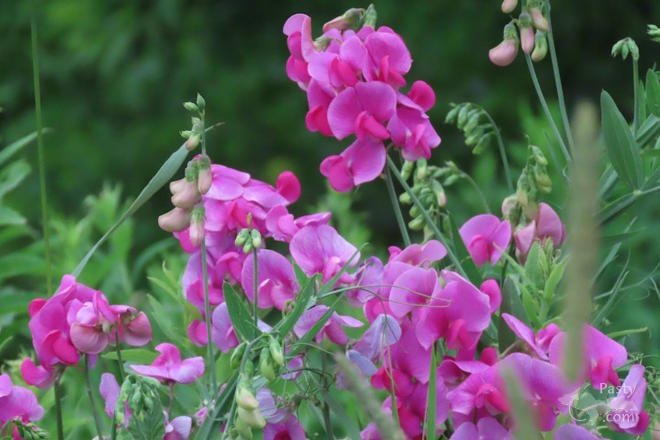
We get a look at some invasive and/or poisonous wildflowers from Debbie Jarve today. Starting off with one that’s abundant on the roadsides right now, Sweet Peas. They are fragrant and colorful blooms, long lasting, so they’re perfect to cut and put in a vase at home. Just don’t mistake them for something you can eat, because all parts of the plant are poisonous.
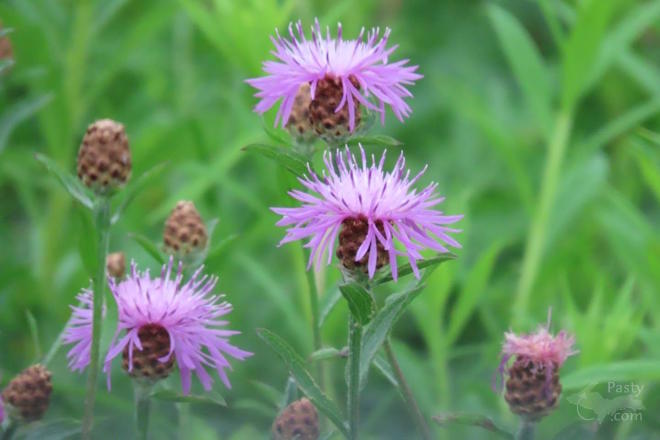
The next photo, Brown Knapweed, looks like a pretty purple flower and it is, but is also an invasive plant that can actually ruin pastures, as it crowds out other native species of plants, so aggressive, it takes over wherever it is growing.
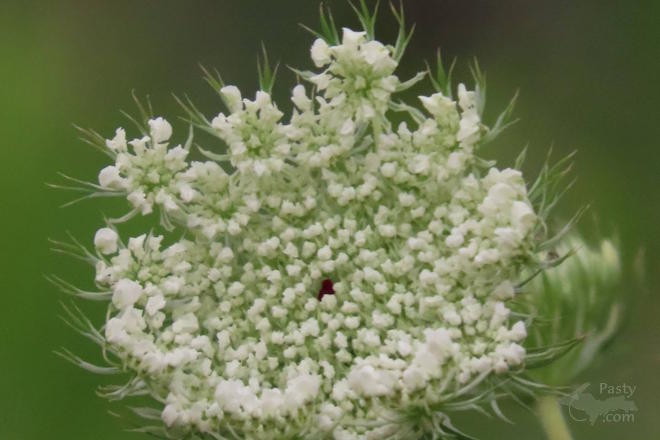
That white lacy looking flower is Queen Anne’s lace, also know as wild carrot. It has clusters of tiny white florets, with a single, distinct dark purple-red floret right in the center. That middle, colorful floret is how you can distinguish this plant from the dangerous toxic look alikes like poison Hemlock or water Hemlock.
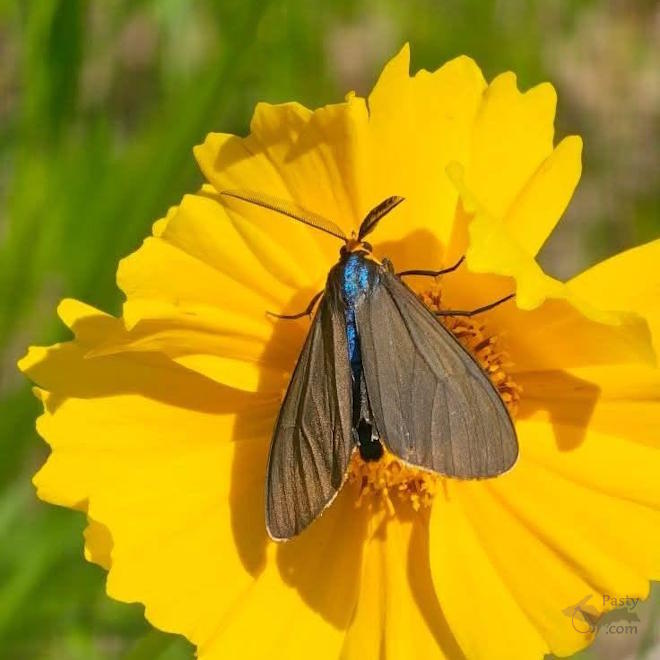
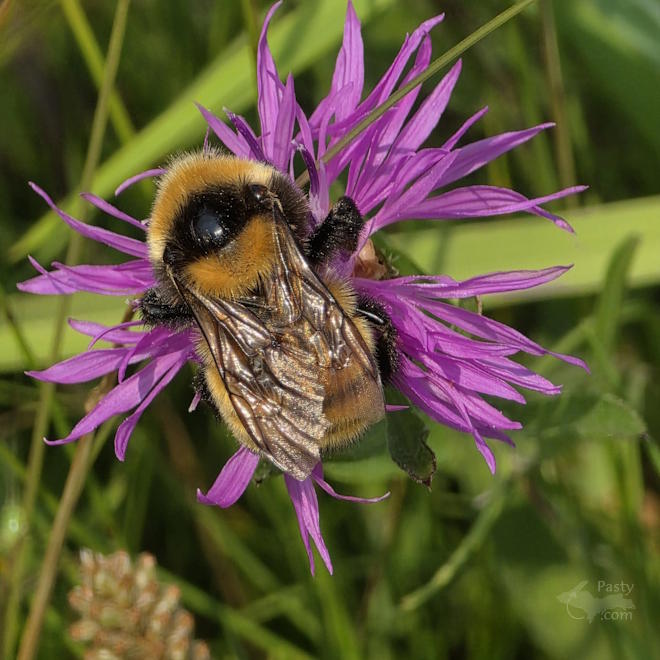
In the bottom two flower photos there are a couple insects collecting nectar or pollen. First on that beautiful yellow bloom, is a Virginia Ctenucha Moth, with its metallic blue body and a contrasting orange collar. And then on the bottom thistle-like flower, possibly Knapweed, a busy Bumblebee.
Lastly, we join Finding Colorful Rocks for a visit with Cheryl at the Keweenaw Agate Shop in Copper Harbor. You’ll learn how to identify agates, what to look for and where to find them. Cheryl is the granddaughter of the original owners of the Keweenaw Agate Shop, you can read about how she came to own this shop that her grandparents started back in 1956, by clicking this link: About Us
By Kathyrn Laughlin (Kathyl) on Thursday, August 13, 2026 - 06:16 pm:
Hi
Last Saturday (August 8) I was a volunteer at "Birds,
Blooms and Butterflys", an event put on by my local
nature center. We had both an exhibit and a talk on
invasive species, among our other stuff.
I didn't know about the little dark purple-red floret
in Queen Anne's Lace.
By Cindy Conway (Birdfan) on Friday, August 14, 2026 - 07:34 am:
Summer blooms are so beautiful, cheerful and
essential for all kinds of pollinators! Down here
in northern Indiana, been seeing lots of Monarchs
and those black Swallowtail butterflies recently.